By Jessica DiNapoli and Waylon Cunningham
NEW YORK, Dec 24 (Reuters) - Packaged food makers and fast-food restaurants may be forced to overhaul more of their products next year as newly approved, appetite-suppressing GLP-1 pills become available in January, analysts say.
More Americans are expected to try the drugs as a pill rather than as a shot because the medication will be cheaper and many patients are hesitant to inject themselves.
The U.S. Food and Drug Administration approved Novo Nordisk's (NVO) Wegovy GLP-1 pill on Monday, sending shares of food companies down on Tuesday. Eli Lilly's (LLY) rival medication is expected to gain approval from regulators next year.
Food companies including Conagra Brands and Nestle are already dealing with shifts in consumer tastes toward higher protein and smaller portions due to the popularity of weight-loss injections, and analysts believe widespread GLP-1 adoption could mean long-term changes in demand.
To cope, businesses are promoting products with more protein, tweaking labeling to say they are GLP-1 friendly and working with large retailers to better market products.
"We are seeing people cut (back) specifically on salty snacks, liquor, soda, drinks, and bakery snacks, and more focused on protein and fiber, so we expect food companies and also restaurants to cater to this audience that is growing," said JP Frossard, consumer foods analyst at Rabobank.
"We'll see more access to those drugs and a higher addressable market for products that have in mind the needs of the GLP-1 user," he said.
Andrew Rocco, stock strategist at Zacks Investment Research, called Novo's approval "groundbreaking" because the pill would be cheaper than the injectable version of Wegovy and deliver the same weight-loss metrics. "High protein, smaller portions, and functional food innovation will be necessary," he said.
FOOD COMPANIES ARE TAKING NOTE
Some 40% of American adults are obese, U.S. government data shows, and around 12% of adults say they currently take GLP-1 drugs, according to a poll published last month by health policy research organization KFF.
Households using GLP-1 medications cut spending at grocery stores by 5.3% and fast-food restaurants by about 8% on average, according to a Cornell Research study published last week that used purchase data collected by Numerator from about 150,000 households.
Those reductions largely faded when households stopped using the medication.
"The decreases we saw will likely show up in a much broader slice of the population" because of weight-loss pills, said Sylvia Hristakeva, one of the study's co-authors. She said the cheaper price and ease of use of pills will also make it likely that people use the medication for longer.
LATEST POSTS
- 1
 'Euphoria' Season 3 trailer includes Eric Dane's final appearance, Jacob Elordi and Sydney Sweeney at the altar and Zendaya's 'Breaking Bad' era
 - 2Instructions to Pick the Ideal Pre-assembled Home for Your Necessities
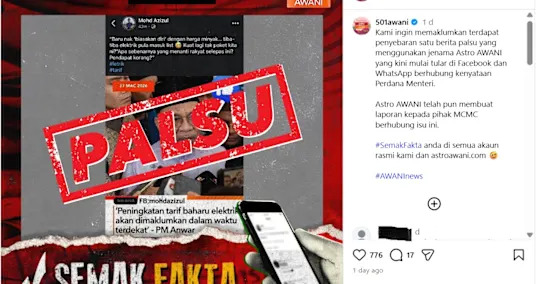
- 3Malaysian broadcaster rejects altered graphic about electricity rate hike
- 4This Underrated Italian City Boasts Indulgent Food & Captivating Views For A Romantic Escape
- 5\Step by step instructions to Pick the Best Material Organization for Your Home\




- Day to day Temporary Positions That Compensate Fairly in the US
- A definitive Manual for Picking Electric Vehicle: Decision in favor of Your Number one
- Cyprus: War-related tourism concerns and climate change efforts
- This Week In Space podcast: Episode 203 — China Rising
- Red Sea arena: Yemen’s Houthis open fourth front in Iran war, with global implications
- Reporter's notebook: Inside the IDF’s ‘Hamas Village,’ and how Israel is rewriting urban warfare
- Industrial zone damaged in Negev, falls in Sharon area after Iran fires missiles towards Israel
- The World's Dazzling Regular Miracles
- 'Not the moon that I'm used to seeing': Artemis II astronauts describe seeing the far side