(Bloomberg) -- Two liquefied natural gas tankers from Qatar in the Persian Gulf have switched to Pakistan as their next destinations after appearing to abort an earlier attempt to leave via the Strait of Hormuz.
The Al Daayen and Rasheeda had u-turned away from the strait after earlier heading eastward to the waterway, according to ship-tracking data compiled by Bloomberg, in the first attempt to export the fuels from the Persian Gulf since the Iran war began. They had each loaded LNG from Qatar’s export plant in late February, ship data shows.
So far, no loaded LNG tanker has passed through Hormuz since the US and Israel began strikes on Iran in late February. It isn’t clear if the ships will try again to pass through the strait, and the ship’s destinations are not final and could change their indicated port of call at any time. The Al Daayen was earlier signaling delivery to China.
The effective closure of the key waterway near Iran and the Arabian Peninsula has choked off energy flows to global markets, disrupting about a fifth of the world’s supply of LNG. Another tanker, which appeared to not be carrying a shipment, passed through the strait over the weekend.
Qatar has delivered two LNG shipments to Kuwait over the past few weeks, according to ship-tracking data compiled by Kpler. These supplies were likely loading from Qatar’s storage tanks, and don’t require traversing Hormuz.
Meanwhile, the vessels’ shift in destination to Pakistan — a major buyer of Qatari LNG — may be part of an effort to secure passage through the strait. Bloomberg reported last week that Pakistan is weighing options including allowing other ships to carry critical cargo under its flag, after Iran said it would permit 20 Pakistani vessels to transit the Strait of Hormuz.
Tracking vessel movements around the Persian Gulf can be inexact because of the potential for electronic interference with ship signals and the intentional disablement of transponders by pilots sailing through risky zones.
Seapeak manages Al Daayen, and Nakilat owns Rasheeda, according to ship database Equasis. Neither company immediately responded to a request for comment.
Transit through Hormuz would be a shot in the arm for Qatar, which supplied nearly a fifth of all LNG last year, even as the country’s Ras Laffan export plant has been shut for over a month due to Iranian attacks. This could allow Qatar to send more shipments that are already loaded and waiting within the Persian Gulf, or offload fuel from storage.
QatarEnergy, which operates Ras Laffan — the world’s largest LNG export plant — didn’t immediately respond to a request for comment.
LATEST POSTS
- 1
 Kansas school officials report high student illness, dismiss early
 - 2Pick Your Number one breakfast food
- 310 Natural products to Remember for Your Eating routine for a Better You
- 4Instructions to Upgrade the Mechanical Highlights of Your Shrewd Bed for a Superior Night's Rest
- 5Comet Lemmon and Milky Way spotted over Hawaii | Space photo of the day for Dec. 12, 2025


- Your guide to how to safely thaw and cook your Thanksgiving turkey this year, according to experts
- What's your biological age? Experts explain the benefits and risks of at-home tests
- A whale stranded at a Baltic Sea resort has swum off a sandbank. But it isn't safe yet
- Flash flooding causes highways to close to and from Eilat
- One spent $20 on candy. Another paid $700 for a custom costume. Here's how Halloween costs stacked up this year.
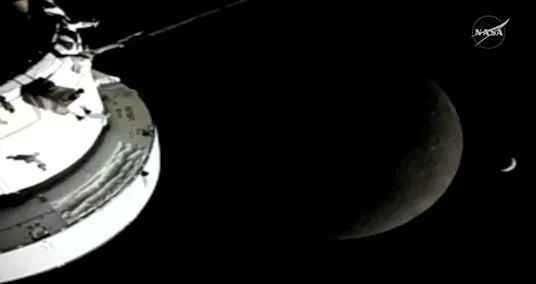
- Artemis 2 astronauts fly around the moon in record-breaking lunar loop by NASA
- Iranian president warns of retaliation against Gulf states
- Flying without a Real ID? That'll soon cost you $45, TSA says.
- Airport wait times won't return to normal until Congress reaches a deal to pay TSA. Here's why they still can't come to an agreement.