At least 2,500 people have been killed in Iran since protests broke out at the end of December, the Norway-based human rights organization Hengaw said on Tuesday.
The group noted that its verification team is working daily to document deaths linked to the state crackdown on mass protests.
On Tuesday, Iran Human Rights (IHRNGO), which is also registered in Norway, put the number of demonstrators killed at at least 734, but warned the real toll could be significantly higher, even in the thousands.
"Due to the complete internet shutdown since Thursday night and the severe restrictions on access to information, independent verification of these figures is currently extremely difficult," the IHRNGO report said.
Iranians have been demonstrating for more than two weeks against the authoritarian rule of the Islamic Republic. The protests, triggered by an economic crisis, have meanwhile taken on a nationwide dimension.
Iran has defended its actions against the unrest, justifying the use of force by saying that those taking part were "terrorists" or "rioters."
LATEST POSTS
- 1
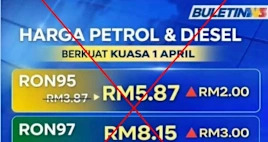
 False fuel prices in fabricated graphics circulate in Malaysia as Iran war continues
 - 2Flu season is ramping up, and some experts are "pretty worried"
- 3Jenny & Dave Marrs Mourn Loss of Former ‘Fixer to Fabulous: Italiano’ Guest
- 4NASA set for first crewed moon return in over half a century
- 5What to know about voluntary chocolate recall


- Kelsey Grammer on having a new baby at 70: 'You're just more available now'
- Burkina Faso forces killed twice as many civilians as jihadists, rights group says
- Finding the Force of Mentorship: Self-awareness Through Direction
- Qantas and Virgin Australia Ban Power Bank Usage on Flights Following Safety Incidents
- Israel has clear objectives south of Litani River, but will face difficult choices further north
- Benedict Cumberbatch takes on something even Sherlock can’t solve: male grief
- The Most Paramount Crossroads in Olympic History
- I visited every country by 25. Antarctica showed me how much I still hadn't seen.
- Florida has quietly become America's execution capital